


Call Us Today:
(740) 594-2271

Dry Eye & Ocular Surface
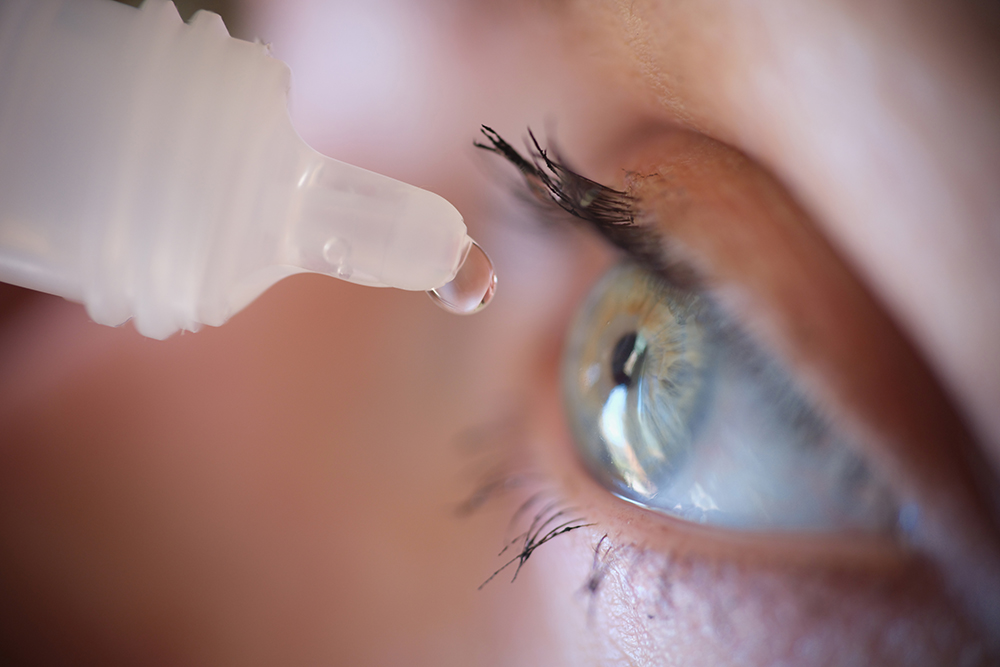
Dry Eye & Ocular Surface Disease
More Than Just Dry Eyes
If your vision fluctuates throughout the day, or your eyes frequently burn, sting, water, feel gritty, or become tired, you may be suffering from Dry Eye Disease—a chronic inflammatory condition that affects the health of the tears, eyelids, and ocular surface.
Many people assume dry eye simply means they don't produce enough tears. In reality, the majority of patients actually have Meibomian Gland Dysfunction (MGD), a condition in which the oil glands within the eyelids become blocked or unhealthy. Without these protective oils, tears evaporate too quickly, leading to inflammation, fluctuating vision, irritation, and discomfort.
Dry eye is a progressive disease. Left untreated, chronic inflammation can damage the ocular surface, reduce visual quality, make contact lens wear difficult, and interfere with everyday activities such as reading, driving, computer use, and enjoying time outdoors.
At Athens Eye Care, we take a comprehensive medical approach to diagnosing and treating the underlying causes of dry eye—not simply masking symptoms with artificial tears.
Our Comprehensive Dry Eye Evaluation
Every patient's eyes are different. That's why we begin with a thorough evaluation to determine the specific causes of your symptoms.
Your examination may include evaluation of:
- Tear film quality and stability
- Meibomian gland function
- Eyelid inflammation and blepharitis
- Ocular rosacea
- Corneal and conjunctival health
- Blink quality and eyelid position
- Environmental and lifestyle factors contributing to symptoms
By identifying the root cause of your dry eye, we can develop a personalized treatment plan designed specifically for your needs.
Advanced Dry Eye Treatments
Medical Management
Many patients benefit from a combination of treatments that may include:
- Prescription anti-inflammatory medications
- Lid hygiene and eyelid cleansing therapies
- Artificial tears and lubricating ointments
- Nutritional recommendations including omega-3 supplementation
- Punctal occlusion when appropriate
- Environmental and lifestyle modifications
Our goal is to reduce inflammation, restore a healthier tear film, and improve long-term comfort.
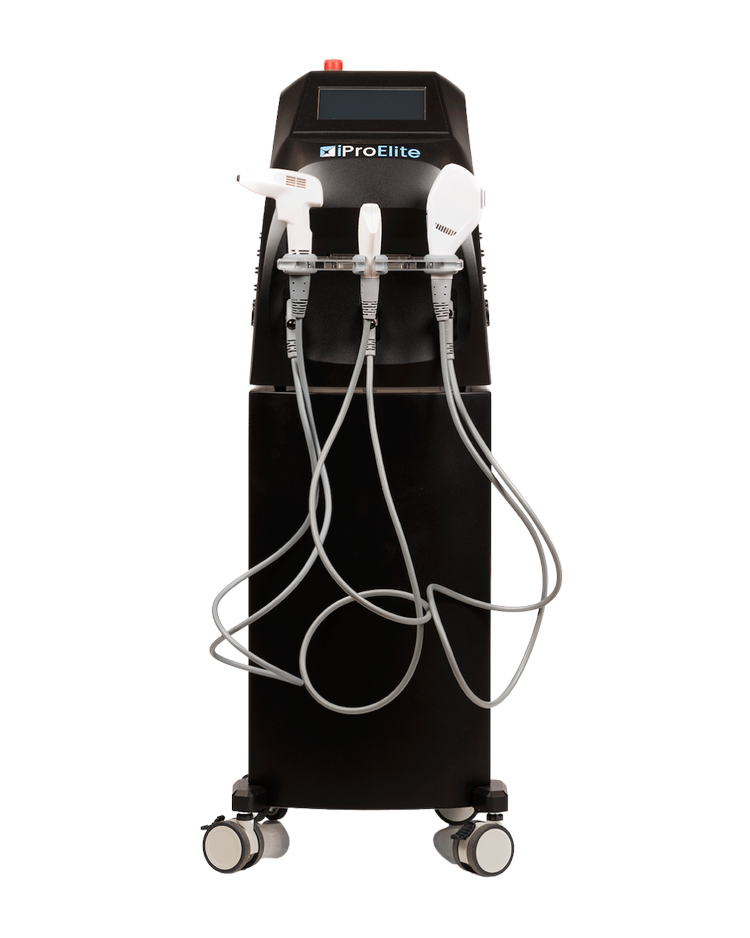
Intense Pulsed Light (IPL) Therapy
MDElite iProElite IP
For many patients with Meibomian Gland Dysfunction and ocular rosacea, Intense Pulsed Light (IPL) has become one of the most effective treatments available.
IPL delivers carefully controlled pulses of light to the skin surrounding the eyelids to reduce abnormal blood vessels that contribute to chronic inflammation. As inflammation improves, the meibomian glands often function more effectively, producing healthier oils that stabilize the tear film.
Patients commonly experience:
- Improved tear stability
- Reduced eyelid inflammation
- Better gland function
- Decreased redness
- Increased comfort
Our IPL protocols are performed using medical treatment guidelines and are customized for each patient's ocular condition. Typical treatment plans consist of a series of treatments followed by maintenance therapy as needed.
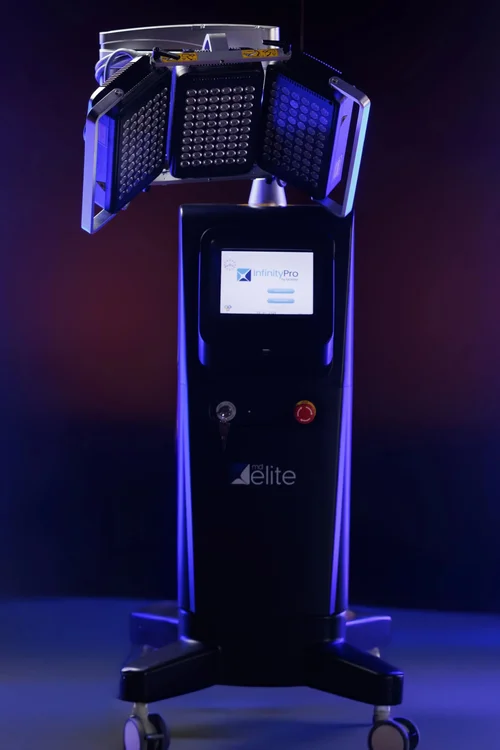
Radiofrequency (RF) Therapy
DElite InfinityPro LLLT
Targeted radiofrequency therapy gently warms the tissues surrounding the eyelids, helping improve meibomian gland function while stimulating natural collagen remodeling within the eyelid tissues.
For patients with obstructive Meibomian Gland Dysfunction, RF can help soften thickened gland secretions, improve oil flow, and reduce chronic eyelid inflammation.
Because radiofrequency also strengthens collagen and improves tissue support, many patients notice additional functional improvements, including:
- Improved eyelid support
- Reduced eyelid laxity
- More complete blinking
- Better tear distribution across the eye
While some patients appreciate the cosmetic improvement of smoother skin around the eyes, our primary objective is improving eyelid function and restoring a healthier ocular surface. The treatment is performed using controlled medical protocols designed specifically for the delicate tissues surrounding the eyes.
OcuLift™ Functional Eyelid Therapy
Healthy blinking is essential for healthy eyes.
Every complete blink spreads fresh tears across the surface of the eye while expressing protective oils from the meibomian glands. When the eyelids become lax with age or chronic inflammation, blinking may become incomplete. Even a small gap during blinking can allow tears to evaporate rapidly and worsen dry eye symptoms.
Our OcuLift™ protocol combines advanced radiofrequency technology with specialized eyelid treatments to improve eyelid function and support more complete blinking.
Patients may benefit from:
- Improved blink mechanics
- Better tear distribution
- Enhanced meibomian gland function
- Reduced tear evaporation
- Greater comfort during reading and computer use
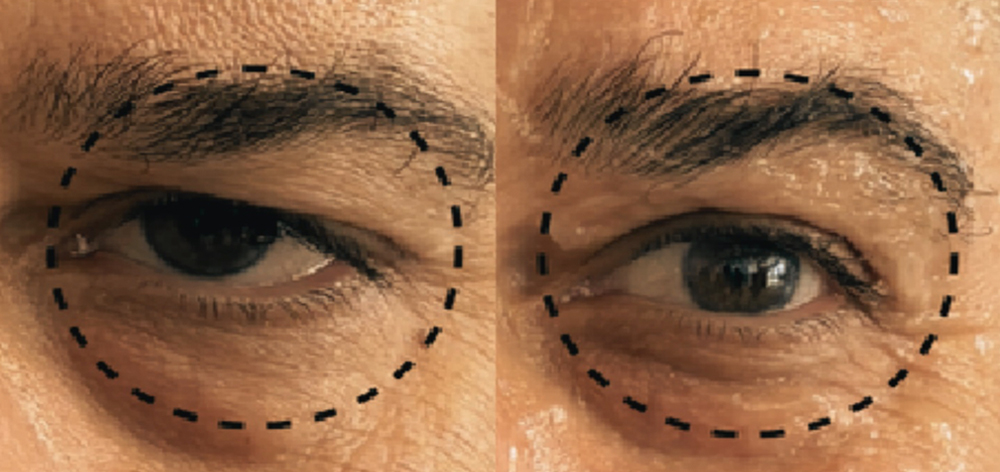
An added benefit of collagen remodeling is firmer eyelid tissue and a smoother appearance around the eyes. These aesthetic changes occur as a natural consequence of improving eyelid structure and function—not as the primary goal of treatment.
Low-Level Light Therapy (LLLT)
Photobiomodulation, also known as Low-Level Light Therapy (LLLT), uses carefully selected wavelengths of light to help reduce inflammation and support the body's natural healing processes.
At Athens Eye Care, LLLT is often used alongside other dry eye therapies to help calm ocular surface inflammation and improve patient comfort.
Depending on your treatment plan, LLLT may be recommended to:
- Reduce ocular surface inflammation
- Support healing of irritated tissues
- Improve patient comfort
- Complement IPL and radiofrequency treatments
Because the therapy is non-invasive and painless, many patients find it to be a relaxing component of their dry eye treatment program. The device delivers therapeutic wavelengths that have established medical indications for reducing inflammation, improving local circulation, and treating selected dermatologic conditions.
Personalized Care for Long-Term Relief
Dry eye disease is a chronic condition, but it can often be successfully managed with the right treatment strategy.
Rather than offering a one-size-fits-all solution, we create individualized treatment plans based on your specific diagnosis, lifestyle, and treatment goals. Whether your symptoms are mild or severe, our objective is to restore comfort, improve vision, protect the health of your eyes, and help you return to the activities you enjoy.
If you're tired of living with burning, watery, irritated eyes, or fluctuating vision, schedule a comprehensive dry eye evaluation with Athens Eye Care and discover how today's advanced therapies can provide lasting relief.

- Monday 8:00am - 5:00pm
- Tuesday 8:00am - 5:00pm
- Wednesday 8:00am - 5:00pm
- Thursday 8:00am - 5:00pm
- Friday 8:00am - 12:00pm
- Saturday Closed
- Sunday Closed
Powered by
